

We are a Merchant Exporter supplying Chemicals, Pharmaceuticals, Agriculture, Textile products world wide. We have so many products available in Chemicals like Laboratory Chemicals, High purity Solvents, Food Grade Pharmaceuticals, Safety & Hygie...
- (+91) 9998943150
- info@swastiexports.com
- B/84, Shrinivas Tenaments, Behind Makarpura Bus Depot,, , Vadodara, Gujarat, India. 390010
© 2020 Swasti Exports. All Rights Reserved
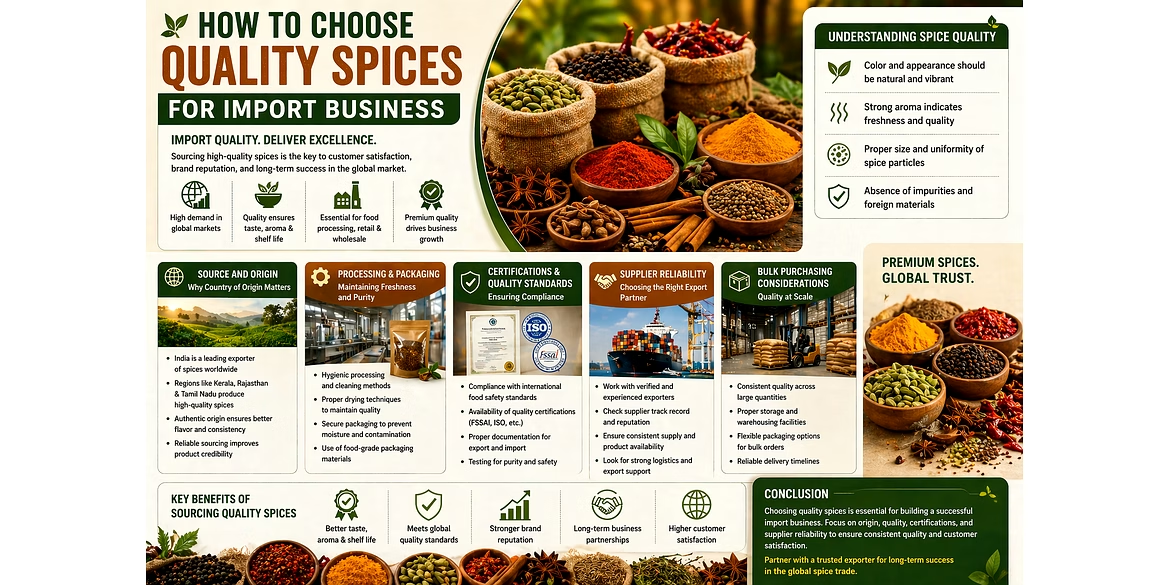

Importance of Quality Spices in Global Trade
Spices are one of the most in-demand agricultural products in global trade, especially for food processing companies, distributors, and importers. Choosing high-quality spices is critical for maintaining product consistency, meeting international standards, and ensuring customer satisfaction. For businesses involved in spice import, product quality directly affects brand value, repeat orders, and long-term market success.
For import businesses, sourcing premium-quality spices from reliable suppliers like India can significantly impact reputation and operational performance. Understanding how to choose quality spices for import business helps buyers reduce risk, improve product reliability, and build a stronger supply chain. Businesses can also explore agricultural product sourcing and global sourcing solutions for related support.
• High demand for spices in global markets
• Quality directly affects taste, aroma, and shelf life
• Essential for food processing, retail, and wholesale distribution
Understanding Spice Quality – Key Factors to Consider
Evaluating spice quality requires a thorough understanding of several important parameters such as origin, appearance, aroma, and processing methods. These factors determine the overall value, usability, and market acceptability of spices in international trade. Importers should assess each of these quality indicators carefully before making procurement decisions.
High-quality spices usually show natural color, strong aroma, and clean physical consistency. Buyers should also look for uniformity, freshness, and the absence of contamination. Careful quality assessment helps ensure better performance in food processing, retail packaging, and bulk resale markets.
• Color and appearance should be natural and vibrant
• Strong aroma indicates freshness and quality
• Proper size and uniformity of spice particles
• Absence of impurities and foreign materials
Source and Origin – Why Country of Origin Matters
The origin of spices plays a significant role in determining their quality, authenticity, and market value. India is known globally for producing premium spices due to its favorable climate, regional diversity, and long-standing agricultural expertise. Choosing spices from the right origin helps importers maintain consistency and customer trust.
Sourcing spices from the right region ensures better flavor, purity, and authenticity. Different regions are recognized for producing specific spice varieties with distinct quality characteristics, making origin-based sourcing an important consideration for global spice buyers.
• India is a leading exporter of spices worldwide
• Regions like Kerala, Rajasthan, and Tamil Nadu produce high-quality spices
• Authentic origin ensures better flavor and consistency
• Reliable sourcing improves product credibility
Processing and Packaging – Maintaining Freshness and Purity
Proper processing and packaging are essential to preserve spice quality during storage and transportation. Poor handling can lead to contamination, moisture absorption, loss of aroma, and reduced shelf life. For importers, these factors directly impact product quality at the destination market.
Buyers should ensure that suppliers follow hygienic processing methods, proper drying techniques, and secure packaging systems. Good packaging not only protects spices during transit but also helps preserve freshness, purity, and export quality for wholesale or retail use.
• Hygienic processing and cleaning methods
• Proper drying techniques to maintain quality
• Secure packaging to prevent moisture and contamination
• Use of food-grade packaging materials
Certifications and Quality Standards – Ensuring Compliance
For international trade, spices must comply with global quality and safety standards. Certifications and documentation are important for ensuring product authenticity, food safety, and regulatory compliance. Importers should verify that the supplier provides all necessary records before placing an order.
Compliance with recognized standards gives buyers more confidence in the consistency and safety of the spices they import. Businesses can also review quality control standards and certifications and regulatory adherence when evaluating suppliers.
• Compliance with international food safety standards
• Availability of quality certifications (FSSAI, ISO, etc.)
• Proper documentation for export and import
• Testing for purity and safety
Supplier Reliability – Choosing the Right Export Partner
Selecting a reliable supplier is one of the most important factors in ensuring consistent spice quality. A trusted export partner can provide transparency, quality assurance, proper documentation, and efficient logistics support. Supplier reliability is especially important for businesses that depend on regular shipments and stable product specifications.
Importers should look for verified and experienced spice exporters with a strong track record, positive market reputation, and dependable export capability. A good supplier relationship supports long-term sourcing success and helps reduce procurement risks.
• Work with verified and experienced exporters
• Check supplier track record and reputation
• Ensure consistent supply and product availability
• Look for strong logistics and export support
Bulk Purchasing Considerations – Quality at Scale
When importing spices in bulk, maintaining consistent quality becomes even more important. Businesses must ensure that the supplier can handle large volumes without compromising standards, freshness, or packaging integrity. Bulk sourcing requires strong coordination across storage, warehousing, and shipment planning.
Buyers should assess whether the supplier has proper storage systems, scalable packaging options, and reliable delivery capacity. Quality consistency at scale is essential for food processing companies, wholesalers, and retail distributors managing ongoing product demand.
• Consistent quality across large quantities
• Proper storage and warehousing facilities
• Flexible packaging options for bulk orders
• Reliable delivery timelines
Conclusion – Building a Successful Spice Import Business
Choosing quality spices is essential for building a successful import business. By focusing on factors such as origin, processing, certifications, packaging, and supplier reliability, businesses can improve product consistency, maintain compliance, and strengthen customer satisfaction.
Partnering with a trusted exporter ensures long-term success in the global spice trade. Reliable sourcing helps businesses reduce quality risks, maintain brand credibility, and build a stronger position in competitive markets. Buyers may also review agricultural exports and why choose our sourcing solutions for relevant internal navigation.
• Importance of quality sourcing for business growth
• Reliable suppliers ensure consistency and trust
• Focus on compliance and global standards
Frequently Asked Questions – Choosing Quality Spices
What factors determine the quality of spices?
The quality of spices depends on factors such as color, aroma, origin, processing methods, and absence of impurities.
• Natural color and strong aroma
• Proper size and uniformity
• Clean and impurity-free
Why is India a preferred source for spices?
India is a leading producer and exporter of spices due to its climate, traditional farming practices, and diverse spice varieties.
• High-quality spice production
• Global reputation for authenticity
• Wide range of spice varieties
How can importers verify spice quality before purchasing?
Importers can verify quality through samples, certifications, and supplier verification before placing bulk orders.
• Request product samples
• Check certifications and documentation
• Verify supplier credibility
What certifications are important for spice imports?
Certifications such as food safety standards, ISO, and regulatory compliance documents are important for ensuring quality and safety.
• Food safety certifications
• Export compliance documents
• Quality testing reports
How does packaging affect spice quality?
Proper packaging helps preserve freshness, aroma, and shelf life by protecting spices from moisture and contamination.
• Use of food-grade packaging
• Protection from environmental factors
• Maintains product quality during transport
What should businesses consider when buying spices in bulk?
Businesses should ensure consistent quality, reliable supply, proper storage, and timely delivery when purchasing spices in bulk.
• Bulk quality consistency
• Supplier reliability
• Storage and logistics support
How to choose a reliable spice supplier?
A reliable supplier should have experience, quality assurance processes, proper certifications, and efficient logistics support.
• Verified supplier network
• Strong quality control
• Transparent business practices